

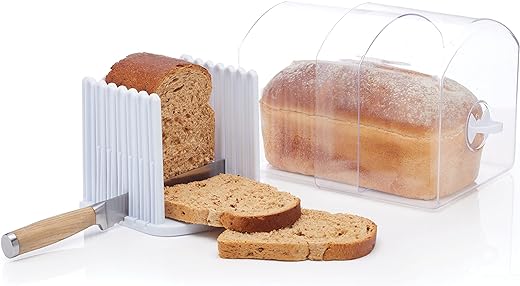
Hello, bread enthusiasts! We know the frustration of a dull or malfunctioning bread slicer disrupting your baking routine. In our upcoming blog post, we will share essential maintenance tips to help you keep your bread slicer in top condition. By following these simple yet effective tips, you can ensure that your bread slicer operates efficiently and safely, allowing you to enjoy perfectly sliced bread every time. Let’s dive in together and keep our bread slicers in top shape!


Regular Cleaning
When it comes to maintaining your slicer’s performance and longevity, regular cleaning is key. In this blog section, we will explore the reasons why keeping your slicer clean is crucial and how it can prevent the build-up of crumbs and debris that could affect its functionality.
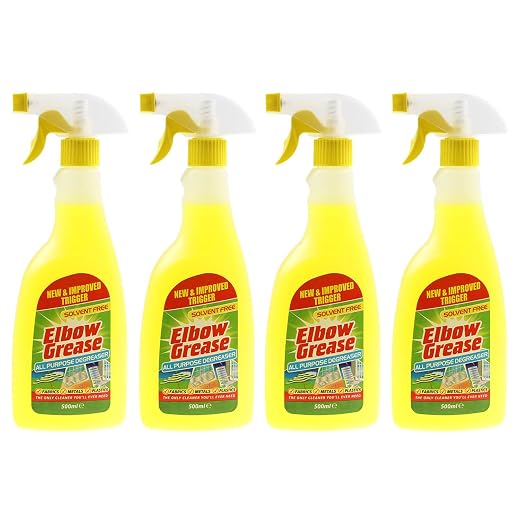


Prevent Build-Up for Optimal Performance
One of the primary reasons to clean your slicer regularly is to prevent the accumulation of crumbs and debris. Over time, as you slice various foods, these particles can get stuck in the nooks and crannies of the slicer, leading to potential issues such as:
- Blade Dullness: Crumbs and debris can cause the blade to become dull more quickly, resulting in less precise cuts and potentially uneven slices.
- Mechanical Malfunctions: Build-up in the moving parts of the slicer can hinder its smooth operation, leading to issues like jamming or difficulty in adjusting slice thickness.
- Hygiene Concerns: Leftover food particles can harbor bacteria and contaminate the slicer, posing health risks if not cleaned thoroughly.
Recommended Cleaning Routine
To ensure your slicer remains in top condition, follow these cleaning tips:
- Daily Wipe Down: After each use, wipe the slicer down with a damp cloth to remove any visible residue.
- Weekly Deep Clean: Disassemble the slicer according to the manufacturer’s instructions and clean each part thoroughly with warm soapy water.
- Sanitization: Use a food-safe sanitizer to disinfect the slicer regularly, especially if it comes into contact with raw meats or other high-risk foods.
Product Recommendations
When it comes to cleaning products for slicers, consider these options:
- Berkel Slicer Cleaning Kit: Specifically designed for Berkel slicers, this kit includes cleaning brushes, sanitizing solution, and lubricant to keep your slicer in top shape.
- Hobart Slicer Blade Removal Tool: This tool makes it easy to safely remove the blade for thorough cleaning, preventing accidents and ensuring a deep clean.
By following a regular cleaning routine and using the right products, you can prolong the life of your slicer and ensure it continues to perform at its best. Remember, a clean slicer is a safe slicer!
Proper Blade Maintenance for Your Bread Slicer
Maintaining and sharpening the blades of your bread slicer is crucial to ensure that you consistently achieve clean and precise cuts. Proper blade maintenance not only enhances the performance of your slicer but also extends its lifespan. In this guide, we’ll walk you through the steps to effectively maintain and sharpen your bread slicer blades.


Why Maintenance is Important
Blades that are dull or damaged can result in uneven slices, torn edges, and a generally poor cutting performance. Regular maintenance helps to keep the blades sharp, reducing the effort required to slice bread and ensuring uniform slices every time.
How to Maintain Your Blades
Follow these steps to keep your bread slicer blades in top condition:
- Regular Cleaning: After each use, wipe down the blades with a damp cloth to remove any residue.
- Oil the Blades: Apply a food-grade lubricant to the blades to prevent rust and ensure smooth slicing.
- Inspect for Damage: Regularly check the blades for any signs of wear or damage. Replace any blades that are chipped or dull.
Sharpening Your Blades
When your blades start to dull, it’s time to sharpen them. Here’s how you can do it:
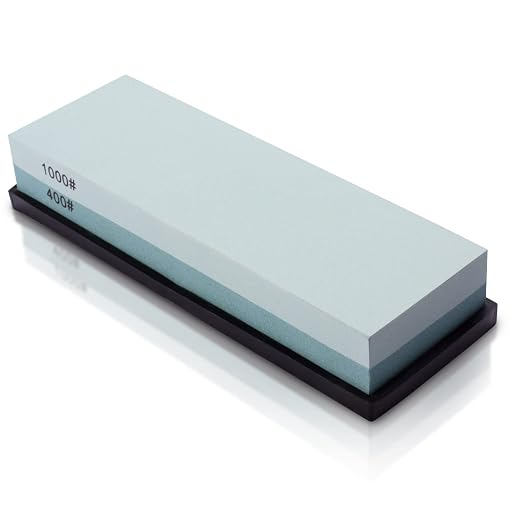
- Using a Sharpening Stone: Gently run a sharpening stone along the edge of the blade to restore its sharpness.
- Professional Sharpening Services: Consider sending your blades to a professional sharpening service for a more thorough sharpening.
Recommended Products for Blade Maintenance
To make blade maintenance easier, consider using these recommended products:
- Chef’sChoice 615A Electric Meat Slicer: This versatile slicer comes with a built-in blade sharpener for convenient maintenance.
- Smith’s CCKS 2-Step Knife Sharpener: A compact and efficient sharpener that works well for bread slicer blades.
By following these maintenance tips and using the right products, you can ensure that your bread slicer blades remain sharp and efficient, providing you with perfectly sliced bread every time.
Lubrication
When it comes to keeping your bread slicer running smoothly and extending its lifespan, one often overlooked yet crucial aspect is lubrication. Proper lubrication not only ensures the efficient operation of your equipment but also helps prevent wear and tear, reducing the need for costly repairs or replacements.
Importance of Lubrication
Lubrication plays a vital role in reducing friction between moving parts in your bread slicer. By applying the right lubricant at regular intervals, you can minimize heat generation, prevent metal-to-metal contact, and protect components from premature failure. In essence, lubrication acts as a protective barrier that keeps your machine operating at its best.
Choosing the Right Lubricant
Selecting the appropriate lubricant for your bread slicer is key to its performance and longevity. Different slicer models may require specific types of lubricants, such as food-grade oils or greases that are safe for use in food processing environments. Some popular lubricants brands for bread slicers include:
- Super Lube
- CRC Food Grade
- Haynes Lubri-Film Plus
These brands offer a range of products designed to meet the lubrication needs of commercial kitchen equipment, including bread slicers.
Application Process
Proper application of lubricant is essential to ensure maximum effectiveness. Here are some general steps to follow when lubricating your bread slicer:
- Clean the Components: Before applying lubricant, make sure to clean the slicer components thoroughly to remove any debris or residue.
- Identify Lubrication Points: Refer to your slicer’s manual to locate specific points that require lubrication, such as pivot points, bearings, or gears.
- Apply the Lubricant: Use a small amount of the appropriate lubricant at each designated point, ensuring even coverage and smooth operation.
Benefits of Regular Lubrication
Regular lubrication offers several benefits that can help prolong the life of your bread slicer and maintain its performance, including:
- Reduced Friction: Lubrication minimizes friction between moving parts, preventing unnecessary wear.
- Improved Efficiency: A well-lubricated slicer operates more smoothly and efficiently, enhancing productivity in the kitchen.
- Extended Lifespan: By protecting components from wear and corrosion, lubrication helps extend the lifespan of your equipment.
In conclusion, proper lubrication is essential for keeping your bread slicer in top condition and ensuring its longevity. By following the manufacturer’s recommendations and using high-quality lubricants, you can optimize the performance of your slicer and avoid costly repairs in the long run.
Importance of Routine Safety Checks for Slicers
When it comes to commercial kitchens and food establishments, slicers play a crucial role in food preparation. From deli meats to cheeses, slicers are indispensable tools that help in achieving consistent and efficient slicing. However, to ensure that these machines operate safely and effectively, routine safety checks are essential.
Ensuring Operational Efficiency
Regular safety checks on slicers help in identifying any issues that may compromise their operation. By conducting these checks, you can prevent unexpected breakdowns and maintain the slicer’s optimal performance. This not only saves time but also ensures that your kitchen operations run smoothly.
Safety First
The safety of your staff and customers should always be a top priority. Neglecting safety checks on slicers can lead to accidents and injuries. Regular maintenance and inspections can significantly reduce the risk of mishaps and create a safer working environment.
Practical Examples
- Hobart Edge 12 Slicer: This model requires regular inspection of the blade sharpness and guard mechanism to ensure safe operation.
- Berkel X13E Slicer: Conducting routine checks on the electrical components and emergency stop features is crucial for maintaining safety standards.
Benefits of Routine Safety Checks
- Preventative Maintenance: Identifying and addressing issues early on can prevent costly repairs and downtime.
- Compliance: Regular safety checks help in meeting regulatory requirements and maintaining a safe workplace.
- Prolonged Lifespan: Proper maintenance through safety checks can extend the lifespan of the slicer and improve its overall durability.
Wrapping Up – Your Guide to Bread Slicer Care
Conclusion:
By adhering to these maintenance tips, we can extend the lifespan of our bread slicers and maintain optimal performance. Keeping our equipment well-maintained not only saves time but also ensures that we consistently produce high-quality slices. Let’s make these practices a part of our routine to maximize the efficiency and longevity of our bread slicers.
Slicing Made Simple
Yes, there are specific safety precautions to keep in mind while maintaining a bread slicer. Some of the key precautions include ensuring the slicer is turned off and unplugged before cleaning or maintenance, using protective gloves when handling sharp blades, and following the manufacturer’s guidelines for proper maintenance and cleaning procedures. It is also important to regularly inspect the slicer for any damage or wear and tear, and to never attempt to adjust or repair the slicer while it is in operation. Staying vigilant and following safety protocols can help prevent accidents and ensure the safe operation of a bread slicer.
To keep a bread slicer in good condition, key maintenance steps include regular cleaning to remove crumbs and debris, lubricating moving parts as recommended by the manufacturer, checking and tightening any loose screws or bolts, and ensuring the blade is sharp and properly aligned. It is important to follow the manufacturer’s guidelines for maintenance to ensure the bread slicer functions properly and lasts longer.
Yes, there are specific tools and products recommended for maintaining a bread slicer. To keep your bread slicer in good condition, it is advisable to use a food-safe lubricant to keep the moving parts functioning smoothly. Additionally, regular cleaning with a mild, food-safe detergent and warm water is recommended to prevent the buildup of crumbs or debris that could affect the slicer’s performance. It’s also important to follow the manufacturer’s instructions for maintenance and to avoid using harsh cleaning agents that could damage the equipment.
A bread slicer should be cleaned daily to prevent the buildup of crumbs and residue. The recommended cleaning process involves unplugging the machine, removing any excess crumbs, wiping down the surfaces with a damp cloth and mild detergent, and using a brush to clean hard-to-reach areas. Regular maintenance will help ensure the slicer operates efficiently and maintains food safety standards.
Sure thing! Signs that indicate a bread slicer may need repairs or servicing include:
- Uneven or jagged slicing: If the slices of bread are coming out uneven or jagged, it could indicate a dull blade that needs sharpening or replacing.
- Excessive crumbs or torn bread: If the bread is getting torn or producing lots of crumbs during slicing, it may be a sign that the machine’s blade is not cutting properly.
- Unusual noises or vibrations: Unusual noises or vibrations during operation can be a sign of mechanical issues that need to be addressed.
- Reduced slicing efficiency: If the bread slicer is taking longer than usual to slice the bread or is struggling to cut through the loaves, it may need adjustments or maintenance.
- Visible wear and tear: Check for any visible signs of wear and tear on the machine, such as rust, cracks, or loose parts, which may indicate the need for repairs.
Regular maintenance and timely repairs can help ensure that your bread slicer functions properly and continues to slice bread efficiently.
Certainly! To extend the lifespan of a bread slicer, here are a few tips to consider:
- Regular Cleaning: Make sure to clean the bread slicer after each use to prevent any buildup of crumbs or residue which can affect its performance over time.
- Proper Maintenance: Follow the manufacturer’s guidelines for maintenance, such as lubricating moving parts and keeping it well-adjusted for optimal performance.
- Avoid Overloading: Don’t force the slicer to cut through thick or hard bread as it can put unnecessary strain on the machine. Always use it within its recommended capacity.
- Store Properly: When not in use, store the bread slicer in a dry and clean environment to prevent rust or damage.
By following these simple tips, you can help prolong the lifespan of your bread slicer and ensure it continues to work efficiently for a long time.
To sharpen the blade of a bread slicer, you can use a sharpening stone or a knife sharpener specifically designed for serrated blades. Make sure to follow the manufacturer’s instructions for the specific type of blade on your bread slicer. How frequently you should sharpen the blade depends on how often you use the slicer. As a general rule of thumb, sharpening the blade every few months or when you notice it’s not cutting as smoothly as before is recommended. This will help maintain the blade’s effectiveness and prolong the life of your bread slicer.
I appreciate the detailed steps provided. Makes it easy to follow along.
I had no idea about adjusting the slice thickness. That’s a game-changer!
I’ll definitely start implementing these tips to keep my bread slicer in top condition. Thanks for the advice!
Maybe a troubleshooting guide for common issues would be a good addition to this article.
Is there a specific type of oil recommended for lubricating the bread slicer?
I found the section on cleaning the slicer very helpful. It’s often overlooked.
Great tips! I never thought about lubricating the blades regularly.
Does the frequency of blade sharpening depend on the amount of use the slicer gets?
I would love to see a video tutorial demonstrating these maintenance tips.
Proper maintenance can really extend the lifespan of the equipment. Thanks for the reminders!