

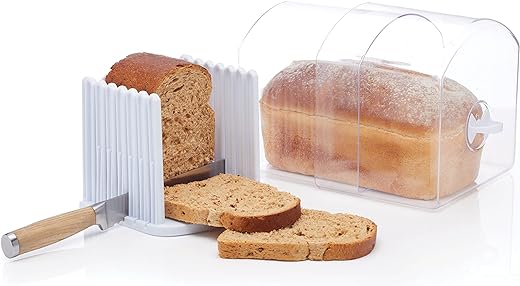
This step-by-step guide aims to assist you in selecting the ideal bread slicer for home use. It outlines crucial factors to consider, such as the type of bread you typically slice, available space, and desired features. By following this guide, you will be able to make an informed decision when choosing a bread slicer that best suits your needs and preferences.

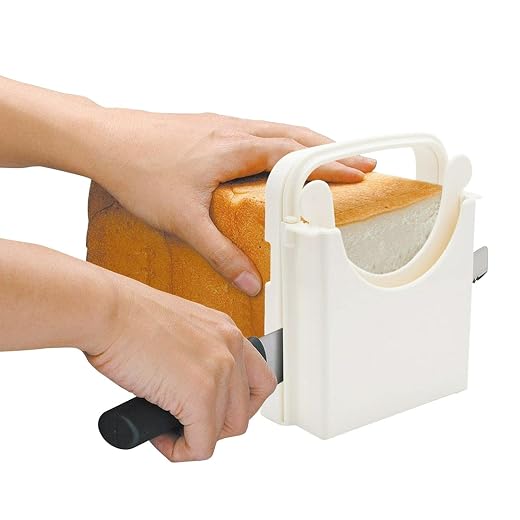

Understand Your Needs
- Consider the types of bread you usually slice, the quantity, and the space available in your kitchen.
- Evaluate the types of bread you most frequently slice to determine the blade length that suits your needs.
- Estimate the quantity of bread you slice in a typical day to decide on the motor power required.
- Measure the available space in your kitchen to ensure the dimensions of the slicer fit comfortably.
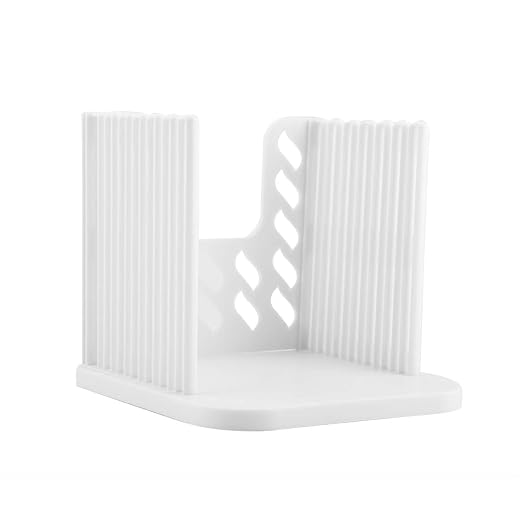
Research Different Types
- Research Different Types: When exploring various slicer options, we need to delve into manual slicers, electric slicers, and adjustable models to grasp their unique features and benefits.
- Explore features and benefits:
- Manual slicers: Start by examining manual slicers, which offer control over the slicing process and are often more affordable than electric slicers.
- Electric slicers: Next, look into electric slicers for their convenience and speed in slicing different foods with precision.
- Adjustable models: Lastly, consider adjustable models that provide flexibility in thickness settings, allowing you to achieve varying slice thicknesses effortlessly.
By comparing these types, we can determine which slicer best fits our needs and preferences.
Set Your Budget
- Decide on a budget range that fits your needs and explore options within that price range. Start by listing your expenses and income to determine a realistic amount to allocate. Research different products or services that fall within your established budget to find the best value for your money. Compare features and prices to make an informed decision that aligns with your financial goals.
Check Blade Quality
- Ensure the slicer has a sharp, durable blade suitable for slicing various bread types.
- Check the blade for any signs of dullness or damage.
- Test the blade’s sharpness by slicing through a piece of bread with different textures.
- Look for stainless steel or high-carbon steel blades for optimal durability and cutting performance.
Consider Safety Features
- Look for safety features like blade guards and secure grips to prevent accidents.
- Check that the blade guard is intact and properly functioning before using the tool.
- Ensure that the tool has a secure grip that allows you to maintain control while operating it.
- Always prioritize safety features when choosing tools to minimize the risk of accidents.
Read Reviews
- Check online reviews and ratings of the bread slicer from various reliable sources such as e-commerce websites or forums.
- Look for feedback on the slicer’s performance, durability, ease of use, and overall user satisfaction.
- Pay special attention to common themes or recurring issues mentioned in the reviews to make an informed decision about purchasing the bread slicer.
Measure Your Kitchen Space
Measure the width and depth of the area where you plan to place the bread slicer. Ensure you have enough space for the slicer to operate comfortably without obstructing nearby elements like countertops or cabinets. For example, measure the width of the countertop or shelf where the slicer will sit and leave at least 6 inches of clearance on each side for easy access and operation. Remember to account for any additional attachments or features the bread slicer may have that could affect its dimensions.
Compare Brands and Models
- Identify Your Needs: List out the specific features or functions you require in the product you are looking to purchase.
- Set Your Budget: Determine how much you are willing to spend on the item.
- Research Brands and Models: Look up different brands and models that match your needs and budget.
- Compare Features and Prices: Compare the features, specifications, and prices of the different brands and models to make an informed decision.
Make Your Purchase
When selecting a bread slicer, compare different models based on criteria such as size, material, and ease of use. Consider factors like space in your kitchen, the types of bread you usually slice, and your budget. For example, if you have limited counter space, opt for a compact foldable bread slicer. Evaluate reviews and ratings to ensure you are making an informed decision. Once you have identified the best option that meets your needs, proceed to make your purchase with confidence.
Making Your Decision Easier
In conclusion, when choosing the right bread slicer for home use, it’s important to consider factors such as slice thickness options, stability, ease of cleaning, and storage space. By understanding your specific needs and preferences, you can select a bread slicer that best suits your requirements. Remember to prioritize safety features and durability to ensure a long-lasting and efficient kitchen tool. Happy slicing!
Essential Equipment List


Slicing Success Secrets
Utilizing Your Bread Slicer for Perfectly Even Slices
- Place the bread slicer on a stable surface: Make sure the slicer is on a flat and stable surface to prevent any accidents while slicing the bread
- Adjust the thickness guide: Set the thickness guide to your desired bread slice thickness. This will help you achieve consistent results
- Place the loaf of bread in the slicer: Position the loaf of bread in the slicer, making sure it is aligned with the cutting blade
- Use the slicing mechanism: Hold the loaf firmly and push it through the slicing mechanism to cut the bread into even slices
- Clean the bread slicer after use: Once you’re done slicing the bread, make sure to clean the slicer thoroughly to remove any crumbs or residue for the next use
Bread Slicer FAQs
When using a bread slicer, it’s important to follow certain safety precautions to prevent accidents. Some key measures to keep in mind include:
- Always ensure the bread slicer is properly set up and in good working condition.
- Use the safety guard or pusher provided to keep your hands away from the blade.
- Make sure the bread loaf is stable and not wobbling before slicing.
- Avoid distractions and focus on the task at hand.
- Keep fingers and hands clear of the cutting area at all times.
- Unplug the machine and clean it properly after each use to prevent buildup and ensure safe operation.
By following these safety precautions, you can help minimize the risk of accidents when using a bread slicer.
Yes, a bread slicer can be used to slice other types of food such as cheese or vegetables. However, it is important to note that the thickness of the slices may not be as precise as with a specialized slicer for those specific foods. The blades in a bread slicer may vary in sharpness and may not be ideal for all types of foods, but it can still be used for a variety of slicing tasks in a pinch.
A bread slicer typically lasts for about 5 to 7 years before needing replacement or repair, depending on the frequency of use and maintenance. Regular cleaning and proper care can help extend the lifespan of the machine. It’s important to follow the manufacturer’s guidelines for maintenance to ensure optimal performance and longevity.
Yes, there are commercial-grade bread slicers specifically designed for use in bakeries and restaurants. These slicers are built to handle high volume slicing of bread loaves efficiently and accurately. They come in various sizes and capacities to suit the needs of different establishments. Commercial-grade bread slicers are equipped with sharp blades and safety features to ensure precise slicing and maintain a safe working environment.
A bread slicer works by holding the loaf of bread in place and moving it through a series of sharp blades to cut it into evenly sized slices. The thickness of the slices can usually be adjusted to suit personal preferences. The machine ensures uniform slices and makes the process quicker and more efficient compared to slicing bread by hand.
When choosing a bread slicer, there are a few key features to consider. Look for a slicer with an adjustable thickness setting, which allows you to customize the thickness of each slice. A serrated blade is also important for clean cuts without squishing the bread. Additionally, a safety guard or hand guard can help prevent accidents while slicing. Sturdiness and ease of cleaning are other factors to keep in mind.
Yes, there are electric bread slicers available in the market. These appliances are designed to slice bread quickly and evenly with minimal effort. They can be a convenient addition to your kitchen if you frequently bake or buy loaves of bread that need to be sliced.
Yes, a bread slicer can indeed help with portion control when slicing bread. By using a bread slicer, you can ensure that each slice is uniform in size, which can help with portion control and consistency. This can be especially helpful if you are trying to manage your portion sizes for health reasons or for serving guests. Having evenly sliced bread can also make for a more aesthetically pleasing presentation.
Yes, there are portable bread slicers available in the market that are designed to be compact and easy to store. These slicers are typically lightweight and have foldable or detachable components, making them convenient for storing in small spaces. They are a practical solution for those who want to slice bread at home but have limited countertop or storage space.
A bread slicer differs from a regular knife in that it is specifically designed to slice bread evenly and with ease. Bread slicers typically have a guide or platform where you place the bread, ensuring uniform slices every time. On the other hand, a regular knife may require more precision and skill to achieve consistent slices, and there is a higher chance of cutting unevenly or squashing the bread.
This article provided great tips on what features to look for in a bread slicer. Very helpful!
I wish the article included more specific recommendations for brands or models of bread slicers.
Overall, a well-written and informative article. It helped me understand the key factors to consider when selecting a bread slicer for home use.
Thanks Stu. Let us know if there is any other information you would find useful 🙂
I found the section on safety features particularly informative. It’s important to consider safety when choosing kitchen appliances.