


This step-by-step guide delves into maintaining slicing equipment to extend its lifespan. It covers essential maintenance tips to ensure the optimal performance of your equipment. Did you know that properly maintaining slicing equipment can increase its longevity by up to 50%?
Inspect Equipment Regularly
- Examine the slicing equipment for any visible damage, loose parts, or signs of wear and tear.
- Inspect all components thoroughly, including blades, handles, and any moving parts.
- If any issues are detected, refrain from using the equipment and report the problem to the maintenance team immediately.


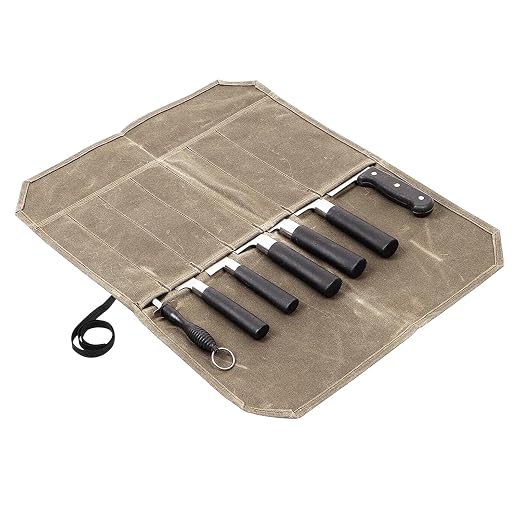
Clean the Equipment After Each Use
Thoroughly clean the slicing equipment using manufacturer-recommended cleaning methods to prevent buildup and maintain hygiene. Start by unplugging the equipment and disassembling any removable parts. Example: Use a damp cloth with mild soap to wipe down the blades and surfaces, making sure to remove any food particles. Example: Rinse all parts thoroughly with warm water and allow them to air dry completely before reassembling the equipment. Remember to store the equipment in a clean and dry area to prevent contamination.
Sharpen Blades As Needed
Regularly sharpen the blades of the slicing equipment. This ensures efficient cutting and prevents damage to the equipment. Use a sharpening stone to gently run along the blade’s edge to remove any dullness. Remember to follow the manufacturer’s guidelines for sharpening frequency and technique.
Lubricate Moving Parts
- Apply lubricant generously to the moving parts of the slicing equipment.
- Ensure that all parts that come into contact during operation are well-coated.
- Regularly check and reapply lubricant to reduce friction and extend the machine’s lifespan.
Store Equipment Properly
- Store the slicing equipment in a clean environment.
- Keep the equipment in a dry area to prevent moisture damage.
- Store away from extreme temperatures to avoid rust.
- Ensure proper maintenance by following these storage guidelines.
Follow Manufacturer's Guidelines
- Follow Maintenance Instructions: Regularly clean and lubricate the slicing equipment as specified by the manufacturer to prevent buildup of debris and ensure smooth operation.
- Handle with Care: Avoid misuse or overuse of the equipment by following the recommended guidelines, which will help in extending its lifespan and maintaining its efficiency.
- Monitor Performance: Keep an eye on the performance of the slicing equipment and address any issues promptly according to the manufacturer’s troubleshooting instructions to prevent further damage.
Replace Worn Parts
- Replace any worn-out or damaged parts of the slicing equipment promptly to avoid further damage and ensure safe operation. Inspect the equipment regularly for signs of wear or damage. Order replacement parts from authorized suppliers to guarantee compatibility. Follow the manufacturer’s guidelines for safe and proper installation.
Train Staff on Proper Use
Provide training sessions for staff members focused on the correct operation and maintenance procedures of the slicing equipment. Demonstrate step-by-step how to properly use the equipment, emphasizing safety protocols and best practices. Encourage staff to ask questions and participate actively in the training to ensure they grasp the information effectively. Regularly review and reinforce these procedures to prevent any misuse of the slicing equipment.
Keep a Maintenance Log
- Maintain a detailed maintenance log that records all maintenance tasks performed on the slicing equipment for reference and tracking.
- Include the date of maintenance, the specific task completed, any parts replaced, and the name of the technician who conducted the maintenance.
- Make sure to keep the log updated regularly after each maintenance task to ensure a comprehensive record of the equipment’s maintenance history.
Schedule Professional Inspections
Arrange for professional inspections of the slicing equipment at regular intervals to detect any underlying issues and ensure optimal performance. Schedule a certified technician to inspect the equipment every six months. This proactive approach can help prevent unexpected breakdowns and maintain the efficiency of the equipment. By staying ahead of any potential problems, you can extend the lifespan of your slicing equipment and ensure smooth operations.
Prolonging Equipment Lifespan
In conclusion, proper maintenance of slicing equipment is crucial for ensuring its longevity and optimal performance. By following regular cleaning routines, performing routine inspections, and addressing any issues promptly, we can extend the lifespan of our equipment and maintain its efficiency. Remember, taking care of our slicing equipment not only saves us time and money but also ensures safe and high-quality food preparation.
Essential Equipment List


Equipment Care Essentials
Getting the Perfect Slice
- Start by reading the user manual to understand how the slicing equipment works and its safety features
- Make sure the slicing equipment is placed on a stable and flat surface before using it
- Adjust the thickness of the slice using the dial or lever on the equipment to achieve your desired cut
- Always use the hand guard or protective gloves provided to prevent any accidents while slicing
- Clean and maintain the slicing equipment regularly to ensure its longevity and efficiency
Slicing Equipment FAQs
Adjustable slicing blades enhance the versatility of slicing equipment by allowing users to customize the thickness of the slices produced. This feature enables us to effortlessly switch between thin and thick slices, making the equipment suitable for a wide range of culinary tasks. With adjustable slicing blades, we can easily adjust the cutting thickness to suit different recipes and ingredients, making the slicing equipment more efficient and adaptable in the kitchen.
A julienne slicer differs from a regular vegetable slicer in terms of the type of cut it produces. While a regular vegetable slicer typically cuts vegetables into thin slices, a julienne slicer creates long, thin matchstick-like strips. This difference in cutting style allows for more uniform and precise cuts, making it ideal for certain recipes that require specific shapes or textures.
When using a meat slicer, it is important to take several safety precautions to avoid accidents or injuries. Here are some key safety measures to follow:
- Always read and follow the manufacturer’s instructions for operating the meat slicer.
- Make sure the machine is properly assembled and secured before using it.
- Use a food holder or pusher to guide the meat through the slicer and keep your hands away from the blade.
- Always wear cut-resistant gloves when handling the meat or cleaning the slicer.
- Keep the blade sharp and clean to ensure smooth and safe operation.
- Turn off and unplug the slicer before cleaning or adjusting the blade.
- Maintain a clean work area to prevent slips and falls.
- Never reach over the machine while it is in operation.
By following these safety precautions, you can minimize the risk of accidents and ensure safe use of a meat slicer.
When using a handheld slicer to cut fruits and vegetables, it’s important to follow some best practices to ensure safety and efficiency. Here are some tips:
- Choose the right slicer blade: Different blades are designed for different types of produce. Make sure to use the appropriate blade for the fruit or vegetable you are cutting.
- Place the slicer on a stable surface: To avoid accidents and ensure uniform slices, place the slicer on a stable cutting board or countertop.
- Hold the slicer properly: Use a firm grip on the slicer’s handle to maintain control while slicing your fruits and vegetables.
- Use a slicing guard: Some handheld slicers come with a slicing guard to protect your fingers from the sharp blade. Make sure to use it for added safety.
- Apply even pressure: When slicing, apply consistent and gentle pressure to produce even slices. Avoid forcing the slicer through the produce.
- Clean the slicer after use: To maintain hygiene and prevent food contamination, clean the slicer thoroughly after each use according to the manufacturer’s instructions.
By following these best practices, you can make the most of your handheld slicer and enjoy perfectly sliced fruits and vegetables every time.
A mandoline slicer differs from a knife for slicing vegetables in its design and efficiency. While a knife requires manual slicing and consistency in thickness, a mandoline slicer has a blade that can be adjusted to achieve precise and uniform slices quickly. This tool is especially helpful when needing to slice large quantities of vegetables with consistent thickness, making meal preparation faster and more efficient.
Different blade materials have a significant impact on the performance and durability of slicing equipment. For example, high-carbon stainless steel blades are known for their sharpness and corrosion resistance, making them ideal for precise slicing tasks. On the other hand, ceramic blades are lightweight, stay sharp for a long time, and are resistant to rust. However, they may be more susceptible to breaking if not handled carefully. Overall, the choice of blade material can affect how well the slicing equipment cuts, retains its sharpness, and withstands wear and tear over time.
Sure! When using different types of slicing equipment such as knives, mandolines, or food processors, there are a few tips to achieve uniform slices. First, make sure the blade is sharp to ensure clean cuts. Second, use a steady hand and apply even pressure when slicing. Third, consider using a slicing guide or a cutting board with measurement markings to help maintain consistency in thickness. Lastly, practice makes perfect, so take your time and adjust your technique based on the type of equipment you are using.
When choosing a bread slicer for a bakery, there are several key factors to consider. Firstly, it is important to consider the type and volume of bread you will be slicing. Different slicers are designed for different types of bread, such as artisan loaves or standard sandwich loaves.
Secondly, you should consider the size of the slicer and how much space you have in your bakery. Make sure the dimensions of the slicer fit your workspace and that it is easy to clean and maintain.
Another important factor is the thickness of slices the slicer can produce. Make sure the slicer can adjust to different thickness settings to meet your specific needs.
Additionally, consider the safety features of the slicer. Look for features such as guards to protect operators from the blade and emergency stop buttons.
Lastly, take into account the budget and overall quality of the slicer. It is essential to find a balance between affordability and durability to ensure you get a slicer that meets your needs and lasts a long time.
Could you provide more details on troubleshooting common issues that may arise with slicing equipment?
It would be great to learn more about the specific maintenance schedule recommended for different types of slicing equipment.
The section on blade sharpening was informative, do you have any recommendations for reliable sharpening services?
I appreciated the emphasis on safety measures while maintaining the equipment, safety is crucial in any workplace.
Are there any common mistakes that people make when trying to maintain slicing equipment that we should avoid?
I found the tips on cleaning and lubricating the slicing equipment very helpful!