

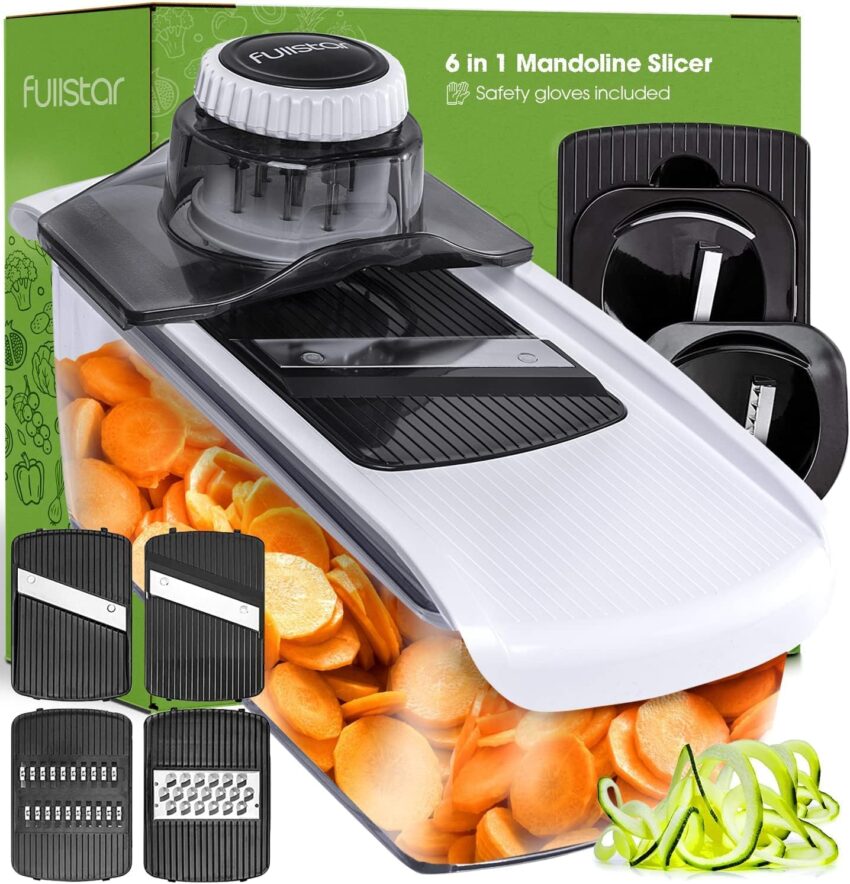
Hey there, friends! Today, we’re diving into an important topic – safely operating your potato slicer. We know how thrilling it can be to whip up delicious meals in the kitchen, but we also understand the importance of safety when using equipment like a potato slicer. In this post, we’ll walk you through some key safety precautions and best practices to ensure you can confidently slice your spuds without any accidents. Let’s slice and dice our way to safety together!

Understanding Your Potato Slicer
Potato slicers are versatile kitchen tools that can save you time and effort in preparing various potato dishes. To make the most out of your potato slicer and ensure safety while using it, it is crucial to understand its different components, how they function, and the importance of familiarizing yourself with the machine before use.


Components of a Potato Slicer
Blades
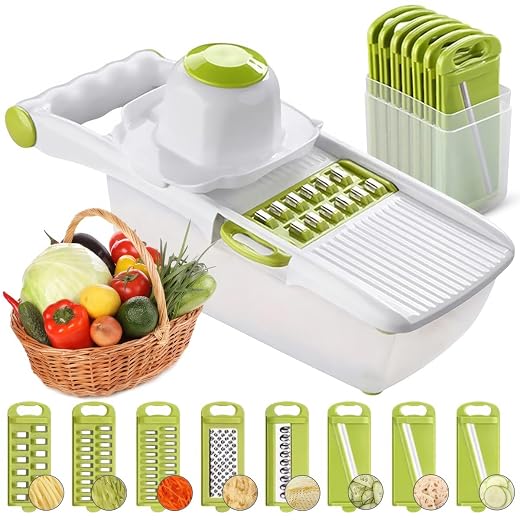
- Most potato slicers come with interchangeable blades that allow you to adjust the thickness of the slices.
- Examples:
- Mandoline Slicer: OXO Good Grips V-Blade Mandoline Slicer
- French Fry Cutter: New Star Foodservice Commercial Grade French Fry Cutter
Frame
- The frame holds the blades in place and provides stability during slicing.
- Examples:
- Stainless Steel Frame: Mueller Austria Pro-Series Multi Blade Adjustable Mandoline Slicer
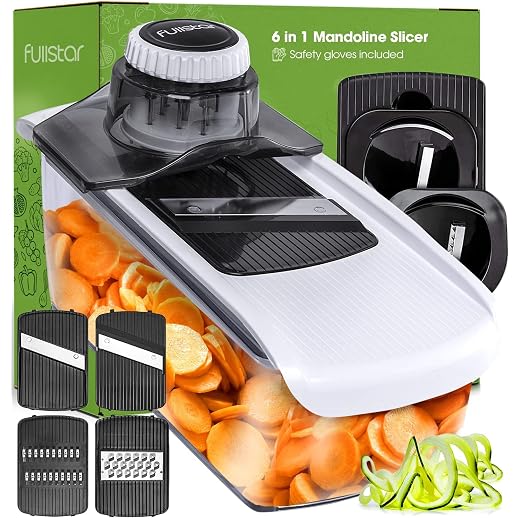
- Plastic Frame: Fullstar Mandoline Slicer Spiralizer Vegetable Slicer
Pusher
- The pusher is used to apply pressure on the potato and guide it through the blades.
- Examples:
- Safety Pusher: Brieftons QuickPush Food Chopper
- Adjustable Pusher: Progressive International Adjust-A-Slice Mandoline
Functionality of a Potato Slicer
- Slicing: Potato slicers are designed to quickly and evenly slice potatoes into desired shapes, such as chips, fries, or rounds.
- Safety Features: Some potato slicers come with safety features like hand guards or non-slip bases to prevent accidents.
- Versatility: Different blades and settings allow for various slicing options, making potato slicers suitable for a range of recipes.
Importance of Familiarizing Yourself with Your Potato Slicer
- Safety: Understanding how to use the potato slicer correctly can prevent injuries and accidents in the kitchen.
- Efficiency: Knowing how to operate the slicer efficiently can save time and effort while preparing meals.
- Maintenance: Familiarity with the machine helps in proper cleaning and maintenance, prolonging its lifespan and performance.
By getting to know your potato slicer’s components and functions, you can make the most out of this kitchen tool while ensuring safety and efficiency in your food preparation routine.
Safety First: Preparing to Operate the Potato Slicer
Wearing Appropriate Safety Gear
Before operating the potato slicer, it is crucial to wear the necessary safety gear to protect yourself from potential accidents. Some essential safety gear includes:



- Cut-resistant gloves: Brands like NoCry or G & F offer high-quality cut-resistant gloves that provide protection while handling sharp blades.
- Safety goggles: Brands such as 3M or DEWALT offer reliable safety goggles to shield your eyes from any flying debris or potato juice.
- Non-slip footwear: Look for reputable brands like KEEN or Skechers that offer slip-resistant work shoes to prevent accidents in the kitchen.
Ensuring a Clean and Organized Workspace
Maintaining a clean and organized workspace is key to preventing accidents and ensuring efficient operation of the potato slicer. Here are some steps to follow:
- Clear clutter: Remove any unnecessary items from the area around the potato slicer to avoid distractions and accidents.
- Sanitize surfaces: Use a food-safe sanitizer like Simple Green or Clorox to clean the surfaces where you’ll be working to prevent cross-contamination.
- Secure the machine: Make sure the potato slicer is placed on a stable surface and all components are properly secured before use.
Importance of Reading the User Manual
Before using any potato slicer, it is essential to read the user manual provided by the manufacturer. The user manual contains important information about:
- Assembly instructions: Follow the step-by-step instructions to correctly assemble the potato slicer for safe operation.
- Maintenance guidelines: Learn how to properly clean and maintain the slicer to ensure its longevity and optimal performance.
- Safety precautions: Familiarize yourself with specific safety precautions recommended by the manufacturer to prevent accidents.
Conducting a Safety Check
Performing a safety check before starting the potato slicer is essential to ensure everything is in proper working order. Some key points to check include:
- Blade sharpness: Ensure the blades are sharp and free from any damage to prevent uneven cuts or accidents.
- Power source: Check that the power source is stable and properly grounded to avoid electrical hazards.
- Emergency stop button: Familiarize yourself with the location of the emergency stop button in case of an emergency during operation.
By following these safety measures and guidelines, you can ensure a safe and efficient operation when using a potato slicer. Remember, safety always comes first in any kitchen setting.
Operating the Potato Slicer: A Step-by-Step Guide
1. Safety First
Before operating any kitchen equipment, ensure you read the user manual thoroughly. Use appropriate safety gear like cut-resistant gloves to protect your hands.
2. Preparing the Potatoes
- Wash the potatoes thoroughly to remove any dirt or debris.
- Peel the potatoes if desired, ensuring they are clean and dry before slicing.
- Cut the potatoes into sizes that fit the slicer’s feeding tube.
3. Setting Up the Potato Slicer
- Place the potato slicer on a stable, flat surface.
- Adjust the blade thickness based on your preference or the recipe requirements. For example, the OXO Good Grips Adjustable Hand-Held Mandoline Slicer offers various thickness settings for precision slicing.
4. Loading the Potatoes
- Secure the potato firmly in the holder to prevent slippage during slicing.
- Slowly feed the potato through the blade using the designated pusher. The Fullstar Mandoline Slicer Spiralizer Vegetable Slicer has a user-friendly pusher for smooth slicing.
5. Slicing the Potatoes
- Apply even pressure on the pusher to guide the potato through the blade.
- Use a consistent, steady motion to achieve uniform slices. The Mueller Austria Premium Quality V-Pro Multi Blade Adjustable Mandoline Cheese/Vegetable Slicer ensures effortless slicing with its sharp blades.
6. Cleaning and Maintenance
- After use, disassemble the slicer and clean it thoroughly with warm, soapy water.
- Ensure all parts are dried completely before storing to prevent rust or damage. The Benriner Mandoline Slicer is easy to clean and maintain for long-lasting use.
7. Tips for Effective Slicing
- For crinkle-cut potatoes, use a serrated blade like the one found in the KitchenAid Mandoline Slicer Set.
- Experiment with different potato varieties and blade settings to achieve varying textures and shapes.
By following these step-by-step instructions, you can safely and effectively operate a potato slicer to enhance your culinary creations.
Maintenance and Cleaning
Potato slicers are essential tools in any kitchen, making food preparation faster and more efficient. To ensure that your potato slicer stays in top condition and operates safely, regular maintenance, cleaning, and proper storage are crucial. Let’s dive into the details to help you keep your potato slicer in optimal shape.
Importance of Regular Maintenance
Regular maintenance of your potato slicer is key to extending its lifespan and ensuring it functions smoothly. Neglecting maintenance can lead to dull blades, decreased efficiency, and even safety hazards. Here are some important maintenance tasks to keep in mind:
- Sharpen Blades: Regularly sharpen the blades of your potato slicer to maintain cutting precision and efficiency. Use a sharpening stone or a blade sharpener suitable for your specific slicer model, such as the OXO Good Grips V-Blade Mandoline Slicer.
- Check for Loose Parts: Periodically inspect your potato slicer for any loose screws or parts that may affect its performance. Tighten any loose components to prevent accidents and ensure proper operation.
- Lubricate Moving Parts: Apply food-safe lubricant to moving parts, such as the slicing mechanism and adjustment knobs, to prevent wear and tear and maintain smooth operation. Consider using a lubricant like CRC Food Grade Silicone Lubricant for safe and effective maintenance.
Proper Cleaning Techniques
Cleaning your potato slicer after each use is essential to prevent food residue buildup, maintain hygiene, and avoid cross-contamination. Follow these cleaning tips for a spotless potato slicer:
- Disassemble Parts: Remove detachable parts such as blades, pushers, and guards for thorough cleaning. Refer to your slicer’s user manual, like the one provided by the Benriner Japanese Mandoline Slicer, for specific disassembly instructions.
- Hand Wash or Dishwasher: Wash the components with warm, soapy water by hand or place them in the dishwasher if the manufacturer’s instructions permit. Ensure all parts are completely dry before reassembling.
- Sanitize Regularly: To eliminate bacteria and germs, sanitize your potato slicer by using a food-safe disinfectant spray or solution. Brands like Ecolab Peroxide Multi-Surface Cleaner and Disinfectant offer effective sanitization for kitchen tools.
Proper Storage Tips
Storing your potato slicer correctly when not in use is vital to prevent damage and maintain its functionality. Follow these storage guidelines to keep your slicer in top condition:
- Store in a Dry Place: Avoid storing your slicer in damp or humid areas to prevent rust or corrosion. Opt for a dry storage location, such as a kitchen cabinet or pantry.
- Use Protective Covers: Consider using protective covers or cases, like the Progressive International PL8 Mandoline Slicer Storage Case, to shield your slicer from dust and potential damage when not in use.
- Secure Loose Parts: Store detachable parts in a designated container or bag to prevent loss and keep them organized for easy access during next use.
By following these maintenance, cleaning, and storage practices, you can ensure that your potato slicer remains in excellent condition for years to come, providing you with efficient and safe food preparation every time. Remember, a well-maintained potato slicer is not only a time-saving kitchen tool but also a valuable investment in your culinary endeavors.
Wrapping Up
In conclusion, it is crucial to prioritize safety when operating a potato slicer by adhering to safety guidelines and conducting regular maintenance checks. By following these practices, we can ensure a safe and efficient slicing experience while preventing accidents and maintaining the slicer’s performance in the long run. Stay safe and slice on!
Potato Slicer FAQ
When operating a potato slicer, it’s crucial to follow key safety precautions to prevent accidents. Some of the important safety measures to keep in mind include:
- Always read the manufacturer’s instructions and follow them carefully.
- Make sure the potato slicer is placed on a stable surface before use.
- Use a food pusher or holder to keep your hands safely away from the blades.
- Never attempt to adjust or clean the machine while it is still running.
- Keep your fingers and hands clear of the slicing area at all times.
- Disconnect the power source before cleaning or performing maintenance on the slicer.
- Use a cut-resistant glove when handling the potatoes to prevent accidental cuts.
- Keep children and pets away from the potato slicer while it is in operation.
By following these safety precautions, you can help ensure a safe and accident-free operation when using a potato slicer.
When using a potato slicer incorrectly, there are several potential risks involved. These risks include cuts or injuries to fingers and hands if they come in contact with the sharp blades. Improper use can also lead to uneven slicing, which can affect the cooking process and result in unevenly cooked potatoes. Additionally, not following proper usage instructions can cause damage to the slicer itself, reducing its effectiveness and potentially causing accidents. It is important to always read and follow the manufacturer’s guidelines for safe and effective use of a potato slicer.
To clean and maintain a potato slicer for safe and efficient operation, follow these steps:
- First, unplug the slicer to ensure safety.
- Disassemble the slicer according to the manufacturer’s instructions.
- Wash all parts in warm, soapy water, then rinse and dry thoroughly.
- Use a brush or sponge to remove any food residue or buildup.
- Pay special attention to the blades, making sure to clean between each blade carefully.
- Dry all parts completely before reassembling to prevent rust.
- Regularly check for any damaged or dull blades and replace them as needed.
- Store the slicer in a clean, dry place to prevent dust or debris buildup.
Following these steps will help maintain your potato slicer in good condition for safe and efficient use.
Yes, certain types of potatoes are better suited for slicing with a potato slicer. Russet potatoes are commonly recommended due to their high starch content, which helps them maintain their shape when sliced. Waxy potatoes, like red or new potatoes, may not hold up as well and could result in uneven slices. So, if you’re looking to use a potato slicer, it’s generally best to go with Russet potatoes for optimal results.
One suggestion would be to include information on proper cleaning and maintenance of the slicer for longevity.
Safety should always come first when handling kitchen equipment. This article emphasizes that well.
I appreciate the step-by-step guide provided in this article. It makes it easy for beginners to understand.
As someone new to using a potato slicer, this article was very informative and helpful. Thank you!
Great tips on how to safely use a potato slicer! Really important to pay attention and use caution.